The Build vs. Buy Dilemma
When enterprises hit the limits of Excel or standard accounting software, the next step is usually an ERP. The immediate decision is whether to buy an off-the-shelf solution (like SAP, Odoo, or Dynamics) or build a custom solution from scratch.
The Illusion of "Off-The-Shelf"
Enterprise ERPs are rarely "plug and play". The licensing fees are often just the tip of the iceberg. Customization, integration, and training costs usually exceed the initial licensing fees by 3x to 5x.
When Custom Makes Sense
We advise building custom ERPs when:
- Your business processes are your competitive advantage.
- You require deep integration with proprietary hardware or legacy systems.
- You want to avoid vendor lock-in and perpetual, scaling licensing fees.
The Micro-ERP Approach
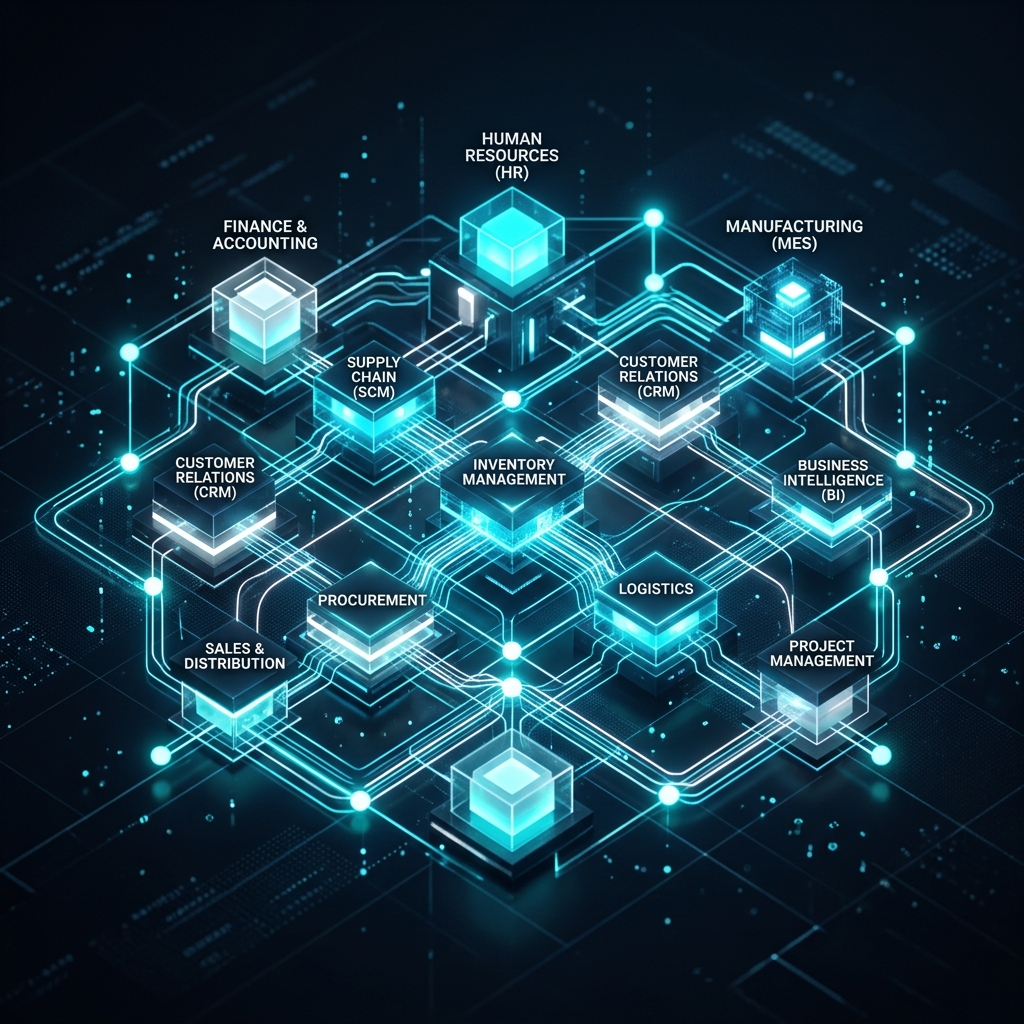
Instead of building a monolith, we advocate for the "Micro-ERP" approach. Build custom applications for your core, unique workflows, and integrate them with lightweight, off-the-shelf systems for standard operations (like payroll or general ledger) using modern APIs.
معضلة البناء مقابل الشراء
عندما تصل المؤسسات إلى حدود برنامج Excel أو برامج المحاسبة القياسية، فإن الخطوة التالية عادة ما تكون نظام تخطيط موارد المؤسسات (ERP). القرار الفوري هو ما إذا كان ينبغي شراء حل جاهز (مثل SAP أو Odoo أو Dynamics) أو بناء حل مخصص من الصفر.
وهم "الحلول الجاهزة"
نادراً ما تكون أنظمة الـ ERP المؤسسية "جاهزة للتشغيل". رسوم الترخيص غالباً ما تكون قمة جبل الجليد فقط. تكاليف التخصيص، التكامل، والتدريب عادة ما تتجاوز رسوم الترخيص الأولية بـ 3 إلى 5 أضعاف.
متى يكون التخصيص منطقياً
ننصح ببناء أنظمة ERP مخصصة عندما:
- تكون عمليات عملك هي ميزتك التنافسية.
- تتطلب تكاملاً عميقاً مع أجهزة مملوكة أو أنظمة قديمة.
- ترغب في تجنب تقييد الموردين ورسوم الترخيص المتزايدة والمستمرة.
نهج Micro-ERP
بدلاً من بناء نظام متجانس (Monolith)، نحن ندعو إلى نهج "Micro-ERP". بناء تطبيقات مخصصة لمسارات العمل الأساسية والفريدة الخاصة بك، وربطها بأنظمة جاهزة خفيفة الوزن للعمليات القياسية (مثل كشوف المرتبات أو دفتر الأستاذ العام) باستخدام واجهات برمجة تطبيقات (APIs) حديثة.